
Understanding Load Distribution In Spiral Wound Gasket Design

Understanding-Load-Distribution-In-Spiral-Wound-Gasket-Design

Reliable sealing is critical in industrial systems where flange connections must withstand pressure, temperature fluctuations, vibration, and mechanical stress without leaking. Industries such as oil and gas, chemical processing, power generation, and manufacturing rely on effective sealing solutions to ensure safety, efficiency, and operational reliability. Among the many factors that influence gasket performance, load distribution plays a vital role. It refers to how compressive forces are spread across the gasket surface when a flange joint is tightened. Proper load distribution helps maintain consistent sealing stress, prevent leakage, and extend gasket life. Spiral wound gaskets are specifically designed to distribute loads evenly, making them a preferred choice for demanding applications requiring long-term sealing integrity.

What is load distribution in gasket design?

Load distribution refers to the manner in which compressive forces generated by bolting are transferred across the gasket during installation and operation. When bolts are tightened on a flange assembly, the resulting clamping force compresses the gasket between the flange faces. Ideally, this force should be distributed evenly across the entire sealing surface. Such uniform load distribution ensures that there is adequate sealing stress throughout the gasket, with surface irregularities properly filled and fluid leakage paths eliminated, so that long-term sealing integrity is maintained. However, if the load is not uniformly distributed, and becomes concentrated only on specific areas, with other areas receiving insufficient compression, it results in reduced sealing effectiveness, increased leakage risk, and premature gasket failure. Effective load distribution is thus one of the most important considerations in gasket design and performance.

Why the amount of load matters in industrial systems

Industrial systems operate under conditions that place significant demands on sealing components. High pressures, high temperatures, thermal cycling, excessive vibration, and mechanical movement are very common elements seen in industrial settings, all of which can influence the forces acting on a gasket. When the load distribution is not right, or is uneven, sealing stress can fluctuate across the gasket surface. Some areas may experience excessive compression while others receive insufficient contact pressure, and both the situations create potential sealing problems. Overloaded gasket areas that experience excessive compression experience material damage, accelerated wear, permanent deformation, and reduced recovery capability. Underloaded gasket areas that experience insufficient compression, on the other hand, experience incomplete sealing, reduced gasket performance, and thus hazardous leaks. It is thus very crucial to achieve balanced load distribution to minimize these errors and contribute to long-term sealing success.

How the spiral wound structure promotes effective load distribution

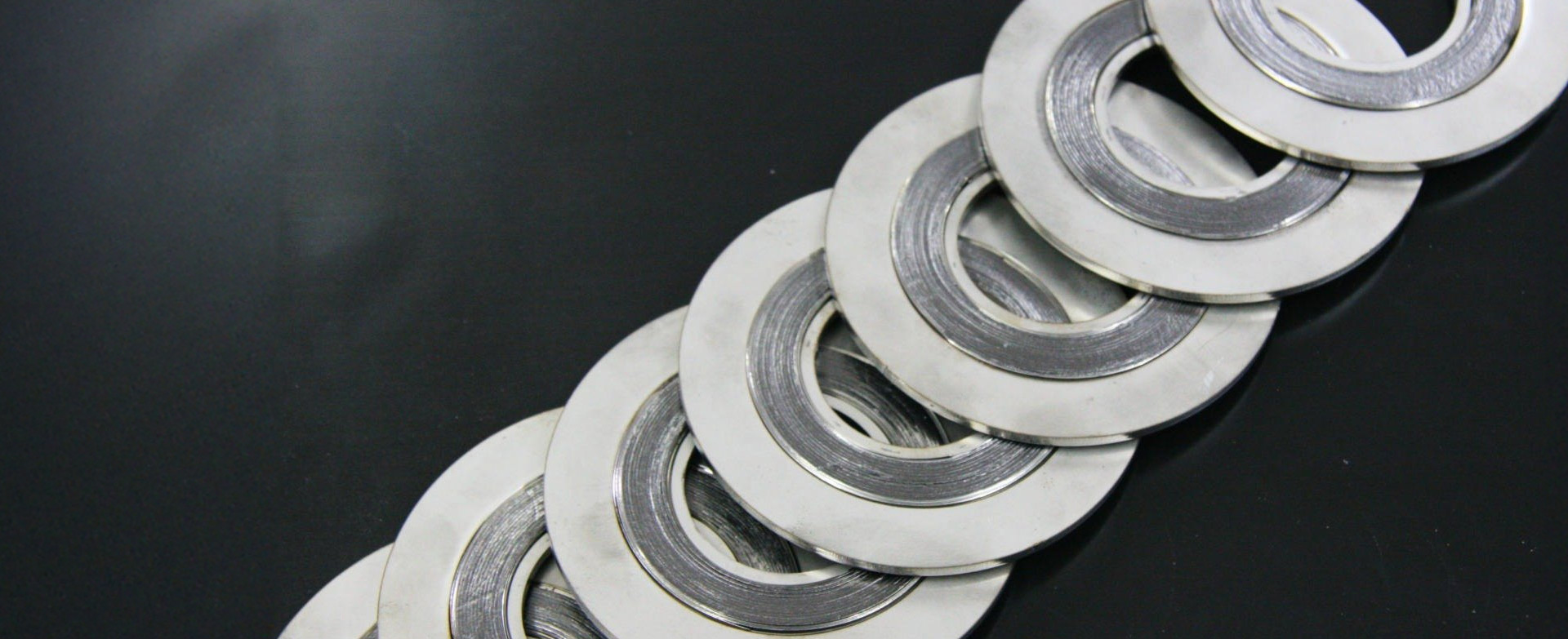
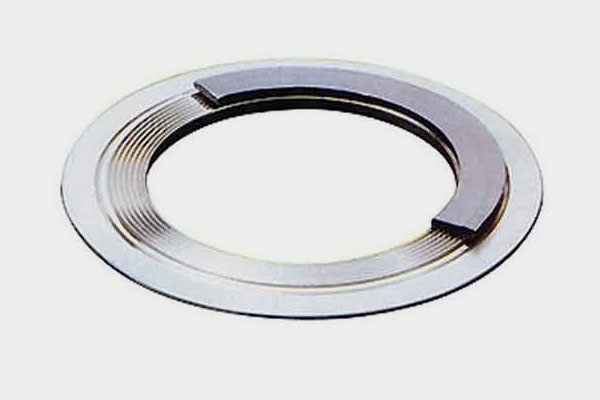
Unlike solid gasket materials that may concentrate loads in localized regions, spiral wound gaskets possess a layered structure that naturally promotes force distribution. When compressive loads are applied, the metal and filler layers work together to spread stresses throughout the gasket body.

  • The metal windings serve as the structural framework of the gasket, contributing significantly to load distribution. The metal windings resist excessive deformation under compression, and prevent localized collapse, thus ensuring uniform stress transfer across the gasket surface. They function like a spring, maintaining gasket contact pressure by recovering from compression.
  • The filler material contributes to flexibility and adaptability, playing a crucial role in creating an effective seal. The filler accommodates minor difference in flange loading, compresses into microscopic flange irregularities, and equalizes pressure across the sealing surface. Maintaining contact pressure and sealing effectiveness, the filler material reduces localized stress concentrations.

This unique design creates several advantages. The gasket does not compress as a single rigid unit. Instead, compression occurs progressively throughout the winding structure, preventing sudden stress concentrations and improving load sharing, thus enhancing sealing consistency. Moreover, the filler material absorbs part of the applied load, while the metal winding provides structural support – the combination thus creating a balanced response to compression forces. Even when operating conditions change, the gasket can redistribute loads across its structure, which helps maintain sealing pressure even when flange conditions vary.

Design features that enhance load distribution

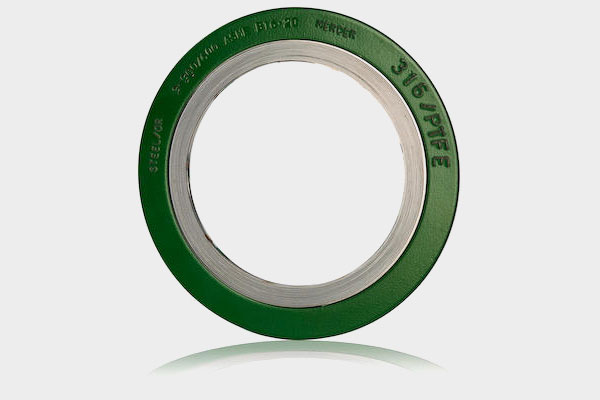
Modern spiral wound gasket designs incorporate several features specifically intended to improve load management, such as the outer rings, inner rings, and precision winding geometry.

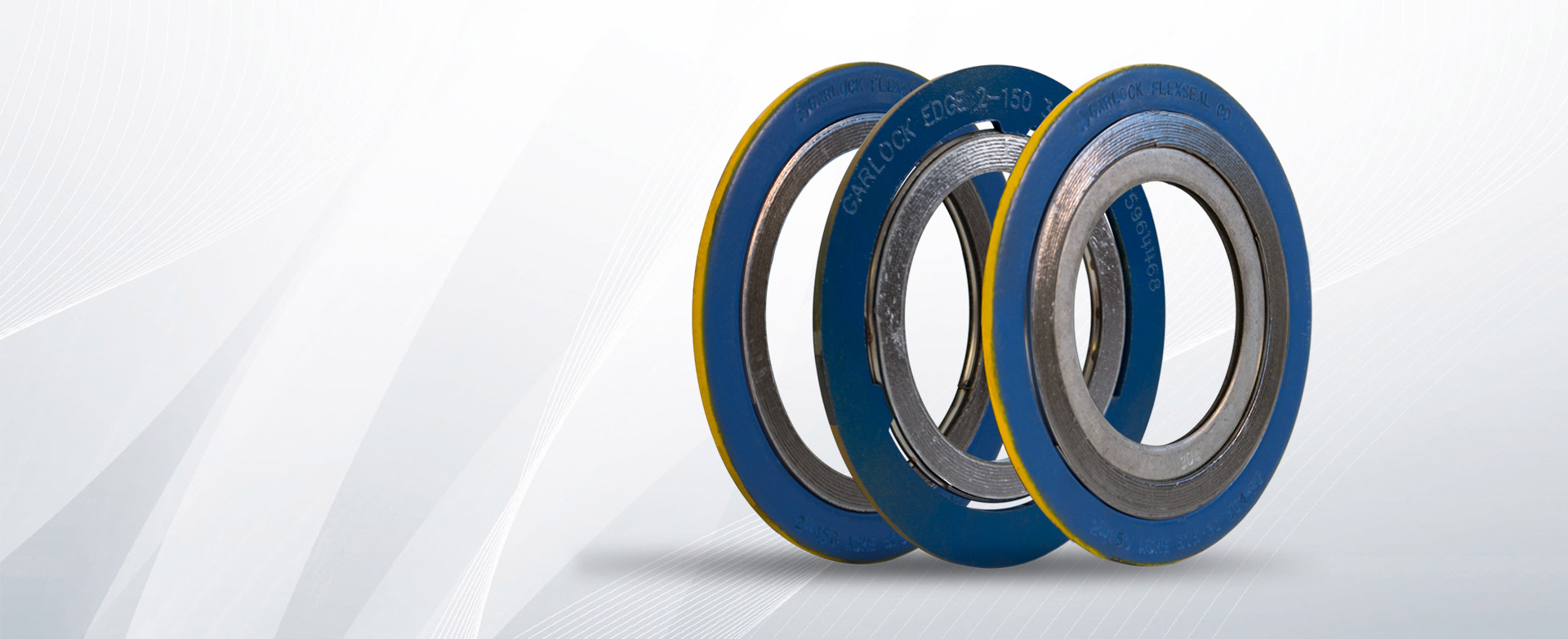
  • The outer rings improve centring and prevent excessive compression, promoting consistent sealing stress.
  • The inner rings reinforce the gasket structure and resist inward buckling, which improves pressure handling capability.
  • Consistent winding patterns further ensure predictable compression characteristics and uniform force distribution.
  • Finally, the materials chosen play an important role too. Proper material combinations help achieve the ideal balance between flexibility and structural support.

Together, these design elements contribute to more effective load distribution and improved sealing reliability.

Why manufacturing precision is crucial too

Not all spiral wound gaskets deliver the same level of sealing performance. Even the most advanced gasket design relies heavily on manufacturing precision. Variations in winding tension, material thickness, filler placement, or dimensional tolerances can significantly impact load distribution and overall seal integrity. High-quality manufacturing processes ensure the use of premium raw materials, uniform winding density, accurate dimensions, consistent compression behaviour, and reliable long-term sealing performance. This is where Vrushabh Engineering stands apart. As a trusted manufacturer of spiral wound metallic gasket solutions, Vrushabh Engineering combines quality materials, precision engineering, and stringent quality control at every stage of production. Each gasket is manufactured to exact specifications, ensuring optimal load distribution, dependable sealing performance, and consistent reliability across demanding industrial applications. By maintaining strict manufacturing standards and dimensional accuracy, Vrushabh Engineering delivers gasket solutions that help industries minimize leakage risks, reduce maintenance requirements, and achieve long-term operational efficiency.

Load distribution plays a vital role in determining the performance and reliability of any gasket. To maintain an effective seal, a gasket must ensure that compressive forces are spread evenly across the sealing surface throughout its service life. Spiral wound gaskets achieve this through a unique combination of resilient metal windings and compressible filler materials that work together to manage stress, accommodate operational changes, and maintain sealing integrity. Their ability to distribute loads uniformly helps prevent leakage, reduce wear, improve equipment reliability, and minimize maintenance requirements, making them a trusted sealing solution for demanding industrial applications.

Next
Latest Posts
Archives