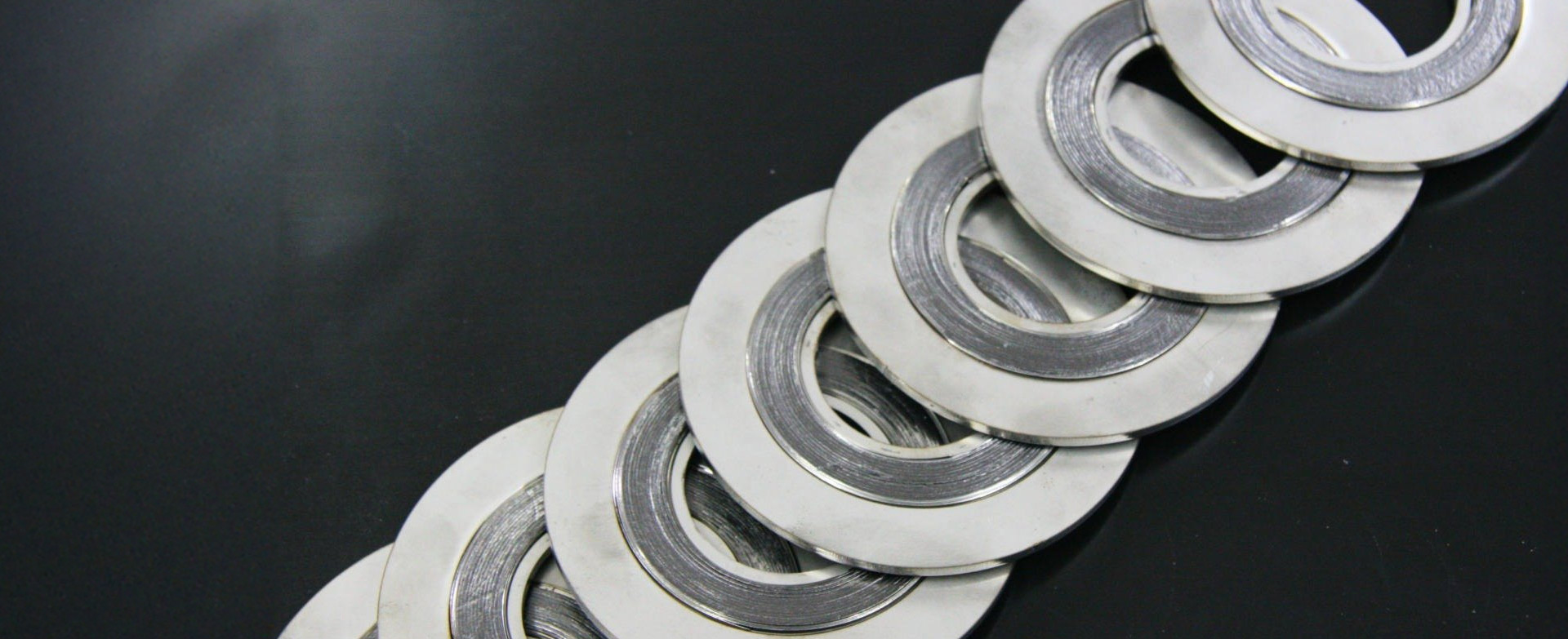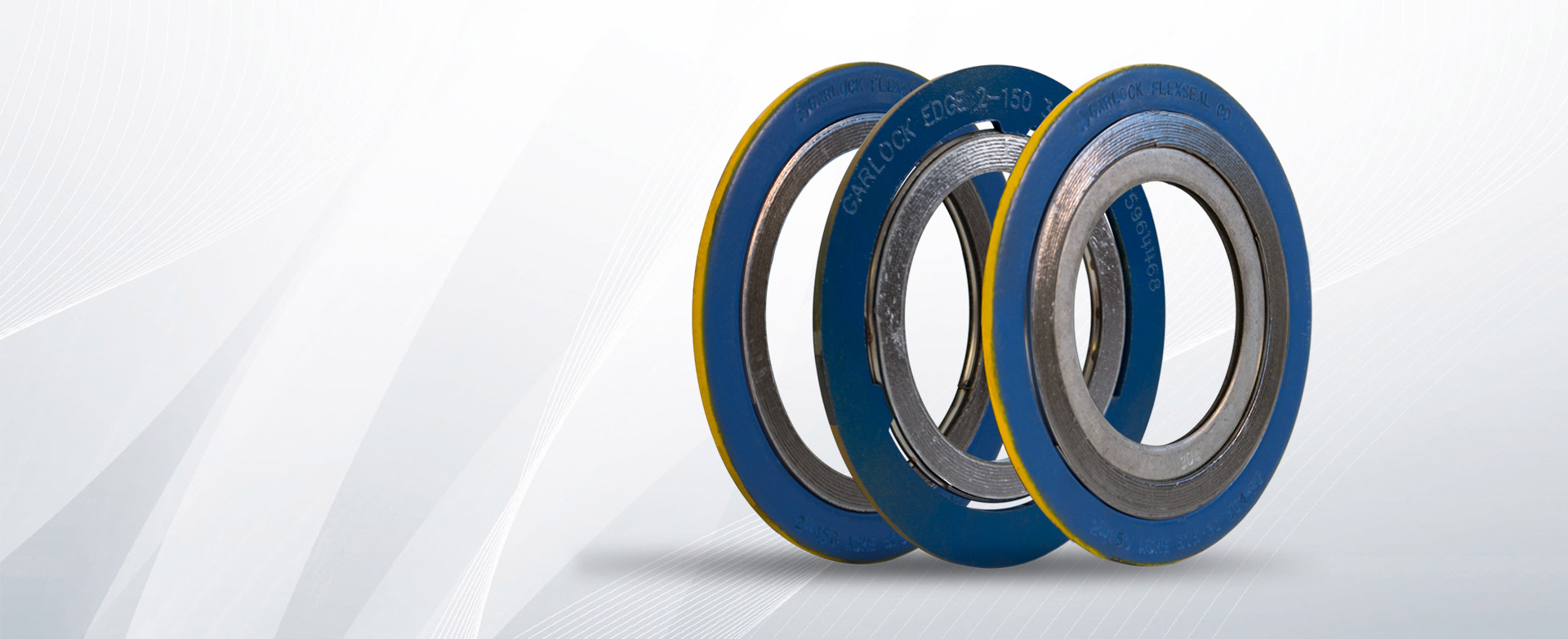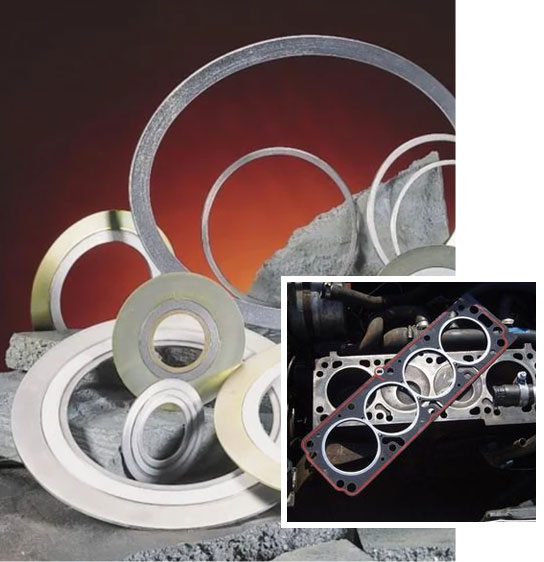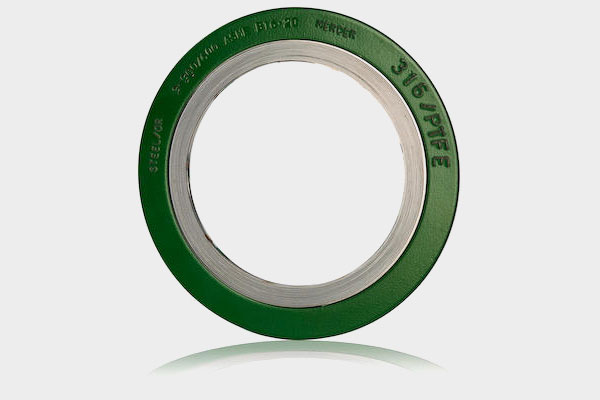

In industrial systems, the reliability of operations often hinges on components that may not receive adequate attention. One such component is the gasket – a compact sealing device that plays a crucial role in maintaining pressure, preventing leaks, and ensuring the safe functioning of pipelines and machinery. When gaskets fail or are incorrectly chosen or installed, issues like fluid leakage, pressure variations, contamination, and unplanned shutdowns can arise. To withstand challenging operating conditions, industries often depend on spiral wound gaskets due to their durability and adaptability. Reputable manufacturers like Vrushabh Engineering offer spiral wound metallic gasket solutions that are engineered for dependable performance. Nevertheless, proper selection and installation are vital to guarantee effective sealing and sustained operational efficiency.
Mistake 1: Selecting an incorrect gasket configuration
The cause
A frequent error made is the assumption that all spiral wound gaskets are fundamentally identical. Due to their similar appearance, installers or procurement teams may sometimes fail to recognize the specific configuration differences intended for particular applications.
The outcome
Utilizing an incorrect configuration can result in inadequate sealing, structural instability, or deformation when compressed. In certain situations, the gasket may not endure the pressure or temperature conditions of the system.
The prevention
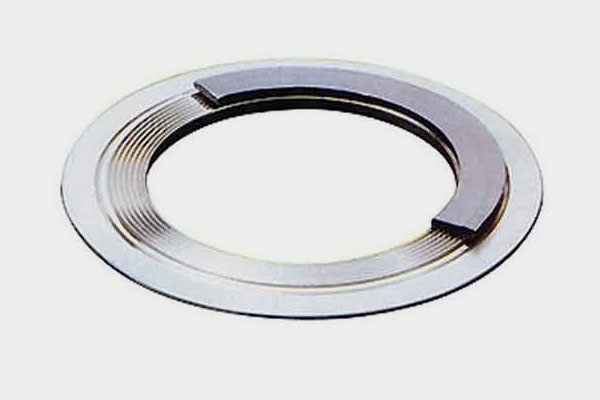
It is crucial to choose the right gasket configuration. Spiral wound gaskets generally come in various designs.
- Basic spiral wound gasket – Ideal for tongue-and-groove or male-and-female flange setups.
- Spiral wound gasket with inner ring – Offers extra support and helps prevent inward buckling under high pressure.
- Spiral wound gasket with outer ring – Enhances alignment and manages compression during installation.
- Spiral wound gasket with both inner and outer rings – Provides improved stability and is often utilized in high-pressure industrial applications.
Understanding the flange system’s requirements is vital to ensure that the correct configuration is selected.
Mistake 2: Overlooking material compatibility
The cause
Gasket materials are sometimes chosen based on their availability, lead time, or cost rather than their performance characteristics. Although this approach may streamline the procurement process, it can create issues once the gasket is in operation.
The outcome
When the materials used for gaskets do not align with the operating conditions, various problems can arise, such as degradation from chemical exposure, loss of compressibility at high temperatures, or reduced sealing effectiveness over time. Ultimately, these problems can lead to early seal failure and possible leakage.
The prevention
The selection of materials must always take into account the specific operating conditions. Important considerations include:
- The temperature range – Confirm that the filler and metal winding materials can endure the anticipated thermal conditions.
- Chemical compatibility – Ensure resistance to the fluids or gases present in the system.
- Mechanical stress factors – Analyze pressure variations and vibrations.
By aligning gasket materials with the requirements of the application, the reliability of long-term sealing can be significantly enhanced.
Mistake 3: Incorrect gasket size
The cause
A common error is relying on standard sizes or visual estimates for gasket dimensions. In truth, even minor variations in flange dimensions can impact gasket functionality.
The outcome
If the gasket size does not align with the flange specifications, it may lead to uneven compression during tightening, gasket extrusion beyond the flange area, or incomplete sealing that may result in leaks. Even minor measurement inaccuracies can lead to serious sealing issues.
The prevention
To avoid sizing errors, installers must always check essential dimensions prior to installation, such as the inner diameter, outer diameter, and bolt circle alignment. Employing accurate measurements guarantees that the gasket fits properly within the flange assembly and receives even compression.
Mistake 4: Inadequate flange surface preparation
The cause
During maintenance or assembly, the installation processes may be expedited to reduce downtime. Consequently, flange surfaces are occasionally not adequately inspected or cleaned prior to gasket installation.
The outcome
Any debris, corrosion, or damage present on the flange surface can hinder proper gasket seating. This results in uneven compression and incomplete sealing, thereby increasing the risk of leakage.
The prevention
Thorough flange preparation must always be included in the installation process. Before installing a new gasket, make sure to completely remove any old gasket residue and thoroughly clean the flange surfaces. Also check for any scratches, dents, or corrosion. A clean and smooth flange surface guarantees that the gasket can compress uniformly and create an effective seal.
Mistake 5: Incorrect bolt tightening sequence
The cause
Inexperienced installers may tighten bolts in a sequential manner around the flange instead of adhering to a controlled tightening pattern.
The outcome
This approach leads to uneven load distribution across the gasket. Some areas may become over-compressed while others do not receive enough pressure, which can result in sealing failure.
The prevention
Adhering to proper bolt tightening procedures is crucial for achieving uniform compression. Recommended practices include:
- Utilizing a cross-pattern tightening sequence
- Gradually applying torque through several tightening stages
- Employing calibrated torque tools to ensure precision
By following these guidelines, you can achieve even load distribution and reliable sealing performance.
Mistake 6: Over-compressing the gasket
The cause
A prevalent misunderstanding during installation is the belief that tighter bolts will inherently produce a superior seal. Installers might exert too much torque in an effort to prevent possible leaks.
The outcome
Over-compression can harm the gasket’s filler material and warp the metal windings. Rather than enhancing the seal, excessive pressure diminishes the gasket’s capacity to retain flexibility and resilience.
The prevention
Always adhere to the specified torque guidelines for the particular gasket and flange system. Controlled compression enables the gasket to preserve its structural integrity while creating an effective seal.
Mistake 7: Gasket misalignment during installation
The cause
Another frequent problem is improper placement prior to tightening the bolts. When the gasket shifts during assembly, it results in alignment issues.
The outcome
Misalignment causes uneven sealing pressure, which can lead to the gasket extruding from the flange joint. This may eventually result in leaks and a shorter lifespan for the gasket.
The prevention
Before you tighten the bolts,
- Make sure the gasket is correctly centred within the flange assembly.
- Verify that it stays aligned as the bolts are tightened gradually.
Proper positioning is a vital step for ensuring effective sealing.
Mistake 8: Overlooking post-installation inspection
The cause
Following installation, systems are frequently restarted promptly to continue operations. In this haste, final inspections might be overlooked.
The outcome
In the absence of verification, minor sealing problems can remain undetected. Small leaks can progressively worsen, ultimately resulting in more significant operational issues.
The prevention
After the installation of a spiral wound gasket, it is crucial to conduct essential checks like:
- Conducting leak tests once the system is pressurized
- Verifying torque after the initial tightening
- Monitoring initial performance during the early stages of operation
These measures assist in identifying and rectifying issues before they develop into larger problems.
Spiral wound gaskets are engineered to deliver dependable sealing performance in challenging industrial settings. Their design allows them to effectively endure pressure changes, temperature fluctuations, and mechanical stresses. Nevertheless, many gasket failures occur not because of product flaws, but due to human mistakes made during selection, installation, or maintenance. Using a high-quality spiral wound metallic gasket and following correct installation practices can significantly improve sealing reliability. By diligently following these practices, industries can avert leaks, safeguard equipment, and reduce operational interruptions. Paying close attention to these aspects ultimately enhances efficiency, decreases maintenance expenses, and fosters long-term reliability of systems.