The oil and gas industry operates in some of the most challenging environments globally, where extreme pressures, elevated temperatures, and corrosive materials are commonplace. In these situations, even minor leaks can result in substantial financial losses, environmental threats, and safety concerns. This is where gaskets become essential. Once viewed as basic sealing elements, gaskets have progressed into sophisticated solutions that are vital for the efficiency, safety, and sustainability of oil and gas operations. From pipelines and refineries to offshore drilling rigs, contemporary gasket technologies are changing the way sealing issues are tackled. This blog delves into the essential function of gaskets in oil and gas applications, the challenges they overcome, the materials and technologies that are fostering innovation, and how they are transforming sealing solutions throughout the industry.
The importance of sealing in oil & gas operations
Sealing is crucial in oil and gas systems as these operations entail the movement and processing of volatile fluids and gases under extreme conditions. Any sealing failure can lead to:
- Leakage of hazardous materials
- Environmental pollution
- Damage to equipment and operational downtime
- Safety hazards, including fires and explosions
- Regulatory violations and financial repercussions
Gaskets serve as a barrier between mating surfaces, guaranteeing a secure seal that prevents leaks even under varying operating conditions. Their function is not merely practical but also strategic, enhancing operational reliability and promoting long-term cost efficiency.
Key applications of gaskets in oil & gas industry
Gaskets are crucial in the oil and gas sector, providing leak-proof seals for essential systems. They improve operational safety, endure extreme conditions, and ensure efficiency in pipelines, refineries, and offshore settings.
- Pipelines: In pipeline flanges, gaskets are vital for preventing leaks during the high-pressure and temperature variations involved in oil and gas transportation. They allow for expansion, resist pressure changes, and guarantee long-lasting seals through designs such as spiral-wound and RTJ gaskets.
- Refineries: In refineries, gaskets are utilized in heat exchangers, pressure vessels, pumps, and storage tanks. They must endure high temperatures, aggressive chemicals, and mechanical stress, making materials like graphite, PTFE, and metal composites essential for sustained performance.
- Offshore drilling: Gaskets used offshore are engineered to function in harsh marine environments, facing challenges like saltwater exposure, high pressure, and humidity. Found in subsea systems and drilling apparatus, they offer corrosion resistance, durability, and dependable sealing to avert operational risks.
- LNG & gas processing plants: In LNG and gas processing facilities, gaskets must cope with cryogenic temperatures and volatile gases. They provide secure sealing in compressors, pipelines, and storage systems, preventing leaks and ensuring safety in highly sensitive processing areas.
- Storage tanks & terminals: Gaskets are extensively employed in storage tanks and terminals to seal manways, flanges, and access points. They help prevent product loss, manage emissions, and uphold safety by ensuring leak-proof containment of crude oil and refined products.
- Valves & pumps: In valves and pumps, gaskets guarantee effective sealing under dynamic operating conditions. They assist in maintaining pressure integrity, minimizing leakage risks, and facilitating efficient flow control in critical oil and gas processing and transportation systems.
Challenges faced by gaskets in oil & gas applications
Gaskets in the oil and gas industry encounter significant operational challenges that affect their performance and longevity. It is crucial to address these issues to guarantee reliable sealing, safety, and adherence to regulations.
- Extreme temperature and pressure: Oil and gas systems function under extreme pressures and temperatures, ranging from sub-zero conditions to several hundred degrees Celsius. Gaskets need to withstand deformation, preserve sealing integrity, and operate consistently without failure.
- Chemical exposure: Gaskets are regularly subjected to hydrocarbons, acids, and harsh chemicals that can deteriorate materials over time. Choosing chemically resistant materials is vital to ensure durability, avert leaks, and sustain long-term performance.
- Mechanical stress and vibration: Ongoing vibration, pressure cycling, and operational stress can result in gasket fatigue and eventual failure. Adequate design, material selection, and installation are crucial to uphold sealing effectiveness in dynamic conditions.
- Environmental and regulatory demands: Stringent environmental regulations necessitate leak-proof sealing to avert emissions and contamination. Gaskets must meet industry standards such as API and ASME, ensuring safety, environmental protection, and operational reliability.
Advanced gasket materials transforming the industry
Advanced gasket materials are revolutionizing the oil and gas sector by improving sealing capabilities in extreme conditions. These advancements enhance durability, safety, and efficiency in environments characterized by high pressure, high temperature, and chemical aggressiveness.
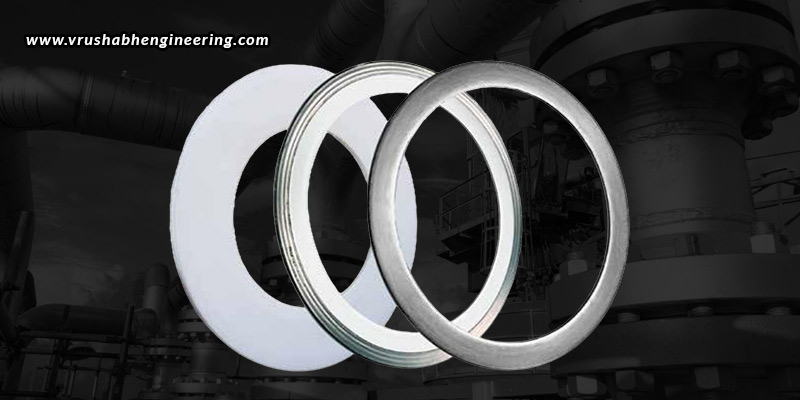
- Spiral wound gaskets
Spiral wound gaskets consist of alternating layers of metal and soft filler materials, offering both strength and flexibility. They function reliably in high-pressure, high-temperature settings while accommodating surface irregularities for effective and long-lasting sealing.
- Ring type joint gaskets
Ring-Type Joint gaskets are precisely machined metal seals intended for high-pressure uses. They establish a metal-to-metal seal, making them perfect for critical operations such as offshore drilling and high-pressure pipeline systems.
- PTFE gaskets
PTFE gaskets provide outstanding resistance to chemicals, including acids and hydrocarbons. They are extensively utilized in refineries and chemical processing facilities where the handling of aggressive fluids necessitates stable, non-reactive, and durable sealing solutions.
- Graphite gaskets
Graphite gaskets exhibit high resistance to extreme temperatures and pressure fluctuations. They deliver excellent sealing performance in demanding applications, such as heat exchangers and high-temperature systems, ensuring reliability under harsh operating conditions.
- Elastomeric gaskets
Elastomeric gaskets, crafted from materials like Nitrile and EPDM, offer flexibility and resistance to fluids. They are ideal for applications that require elasticity, vibration dampening, and effective sealing in systems operating at moderate temperatures and pressures.
The impact of high-performance gaskets on operational efficiency
High-performance gaskets significantly enhance operational efficiency in the oil and gas industry by improving reliability, mitigating risks, and facilitating safe, cost-effective, and environmentally sustainable operations across essential systems.
- Reduced downtime: Reliable gaskets reduce the likelihood of leaks and unforeseen equipment failures in challenging environments. This leads to decreased unplanned downtime, guarantees uninterrupted operations, and diminishes maintenance frequency, ultimately boosting overall productivity and system dependability.
- Improved safety: High-performance gaskets avert the leakage of dangerous fluids and gases, safeguarding both personnel and infrastructure. By ensuring secure seals in extreme conditions, they are crucial for maintaining safe and compliant operations.
- Cost efficiency: While high-performance gaskets may require a larger initial investment, they lead to lower long-term costs. Reduced maintenance requirements, fewer replacements, and minimized operational interruptions result in substantial cost savings throughout the equipment’s lifecycle.
- Environmental protection: Leak-proof gasket solutions assist in preventing the discharge of harmful substances into the environment. This aids in regulatory compliance, lessens environmental impact, and encourages sustainable practices within oil and gas operations.
Best practices for selecting gaskets in oil & gas applications
Selecting the right gasket is essential for achieving peak performance. Important factors to take into account include:
- Operating conditions (temperature, pressure, and media)
- Material compatibility with fluids and gases
- Flange design and surface finish
- Adherence to industry standards
- Installation and maintenance requirements
Correct installation, which involves proper torque application and surface preparation, is also vital to ensure effective sealing.
Gaskets have become fundamental to contemporary oil and gas operations, transforming from basic sealing elements into highly engineered components that guarantee safety, efficiency, and environmental compliance. Their role across pipelines, refineries, and offshore drilling continues to expand as industry demands grow more complex. For businesses seeking a high-quality gasket for oil and gas industry, Vrushabh Engineering stands out as a trusted partner. With a strong focus on precision manufacturing, advanced materials, and strict quality standards, the company delivers reliable gasket solutions designed to perform in the most demanding environments. By choosing Vrushabh Engineering, industries can enhance operational efficiency, minimize risks, and ensure long-term sealing performance.