Understanding ASME B16.20 and B16.5 Standards in Spiral Wound Gasket Manufacturing

Understanding-ASME-B16.20-and-B16.5-Standards-in-Spiral-Wound-Gasket-Manufacturing

In industrial piping systems, safety, performance, and reliability depend heavily on proper sealing solutions. Gaskets play a critical role in preventing leaks between flanges, especially in high-pressure and high-temperature applications. To ensure consistency, safety, and quality across industries, international standards are followed during gasket and flange manufacturing.

Two of the most important standards in gasket manufacturing are ASME B16.20 and ASME B16.5. These standards define how gaskets and flanges should be designed, manufactured, and used together. For any Spiral Wound Gasket Manufacturer in India, understanding and following these standards is essential to meet global industrial requirements.

This blog explains ASME B16.20 and ASME B16.5 in simple and easy English, helping engineers, procurement teams, and plant operators understand their importance.

What Is ASME?

ASME stands for American Society of Mechanical Engineers. It is an internationally recognized organization that develops technical standards for mechanical systems, pressure equipment, piping, and components.

ASME standards are widely accepted across industries such as:

  • Oil & Gas
  • Petrochemical
  • Power plants
  • Chemical processing
  • Refineries
  • Pharmaceuticals

ASME standards ensure safety, compatibility, and uniformity in industrial operations.

What Is ASME B16.20?

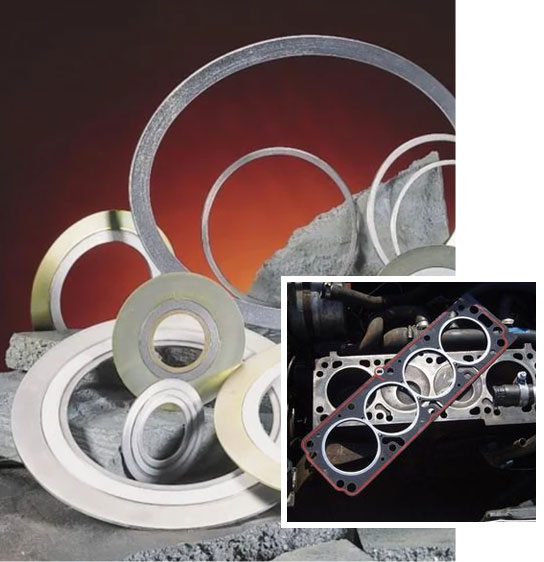
ASME B16.20 is the standard that specifies metallic gaskets used with pipe flanges. It mainly applies to:

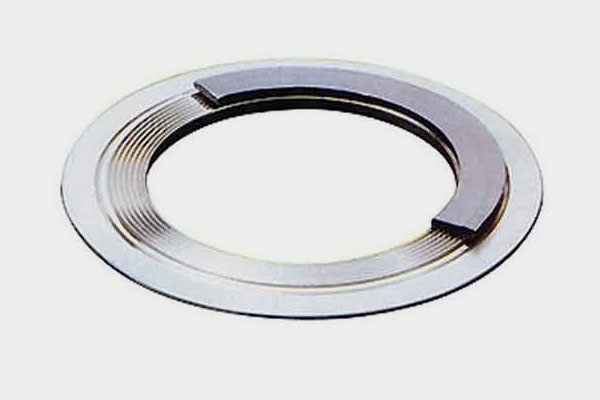
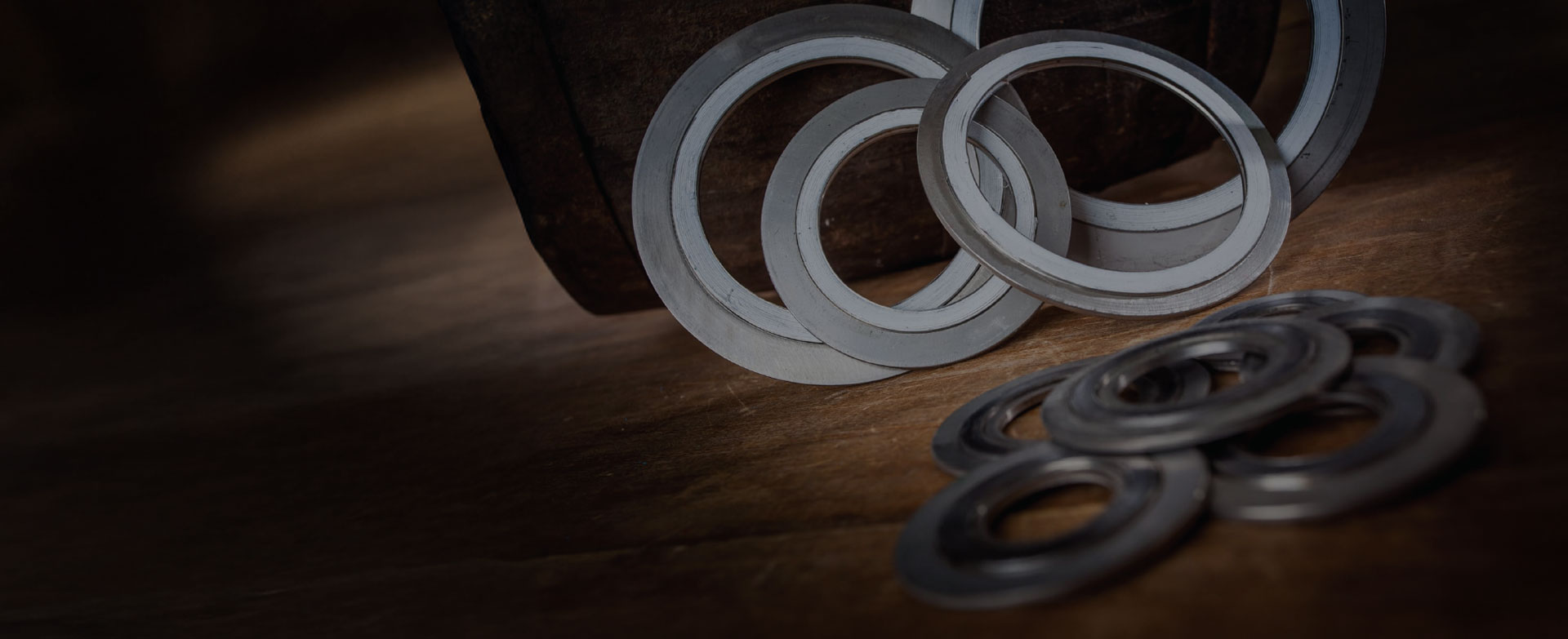
  • Spiral wound gaskets
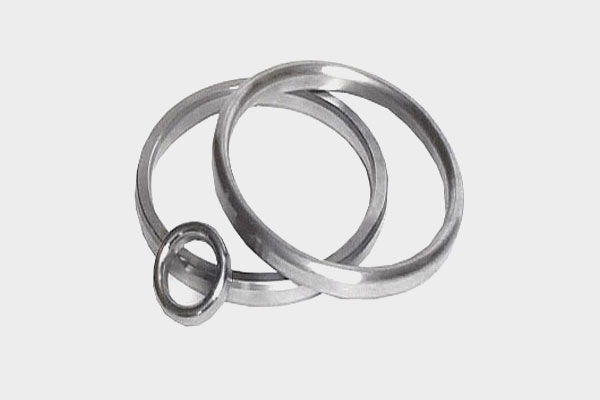
  • Ring-type joint (RTJ) gaskets
  • Metal jacketed gaskets

Scope of ASME B16.20

This standard defines:

  • Gasket dimensions
  • Materials
  • Tolerances
  • Markings
  • Pressure class compatibility

For a Spiral Wound Gasket Manufacturer in India, ASME B16.20 acts as the main guideline for producing gaskets that fit standard flanges correctly and perform safely under pressure.

Spiral Wound Gaskets Under ASME B16.20

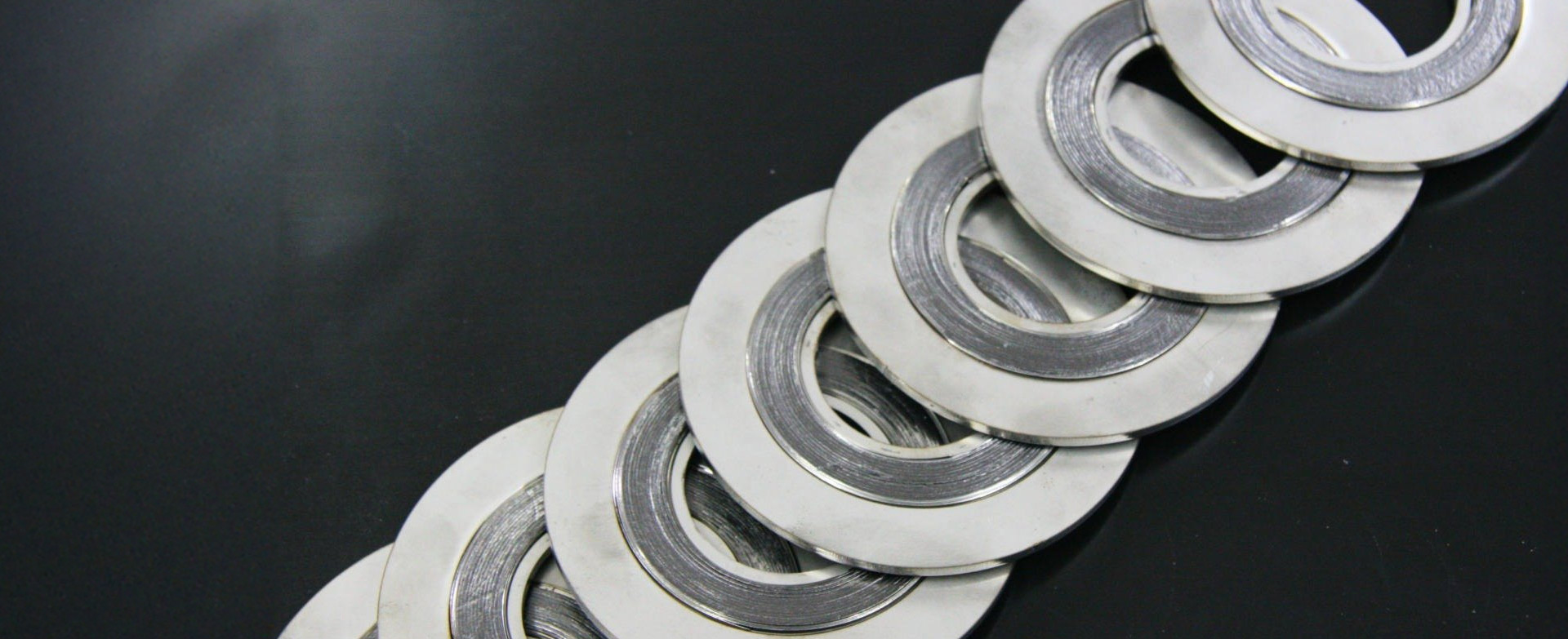
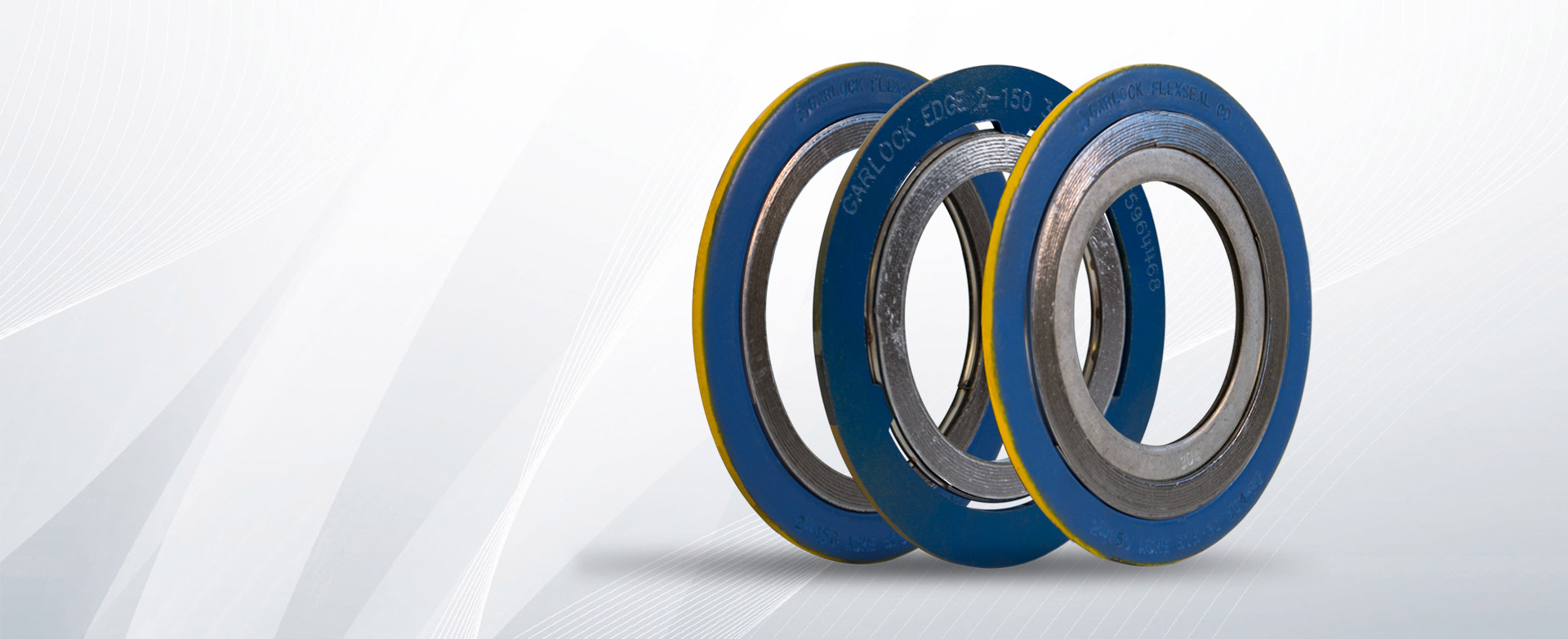
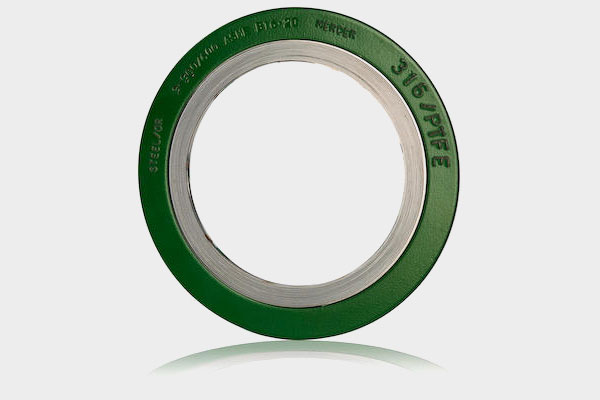
Spiral wound gaskets are one of the most commonly used gaskets in industrial applications. ASME B16.20 clearly defines their construction and dimensions.

Construction Requirements

According to ASME B16.20, spiral wound gaskets consist of:

  • A metal winding strip (usually stainless steel)
  • A soft filler material (graphite, PTFE, etc.)
  • Optional inner and outer rings for strength and alignment

Why This Matters

Standardized construction ensures:

  • Proper sealing
  • Resistance to pressure and temperature
  • Compatibility with ASME B16.5 flanges
  • Long service life

Materials Defined in ASME B16.20

ASME B16.20 specifies acceptable materials for:

  • Metal windings (SS 304, SS 316, Monel, Inconel, etc.)
  • Filler materials (Flexible graphite, PTFE)
  • Inner and outer rings (carbon steel, stainless steel)

This helps buyers choose the right gasket for specific operating conditions such as corrosive environments or extreme temperatures.

What Is ASME B16.5?

ASME B16.5 is the standard that defines pipe flanges and flanged fittings. It covers:

  • Flange dimensions
  • Pressure ratings
  • Face types
  • Bolt hole sizes
  • Tolerances

ASME B16.5 applies to flanges from ½ inch to 24 inches in size.

Why ASME B16.5 Is Important for Gaskets

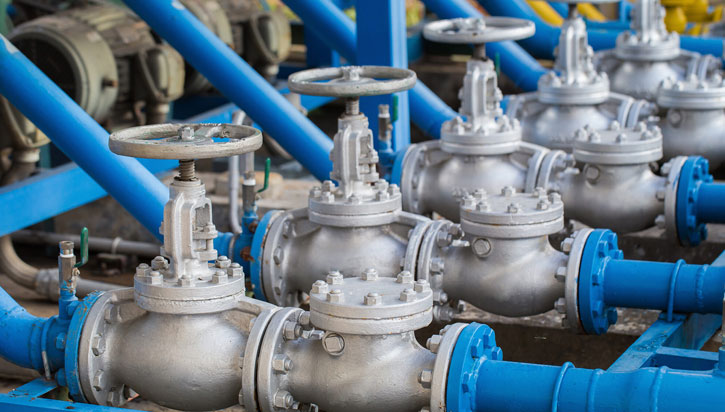
Gaskets do not work alone—they must fit perfectly between two flanges. ASME B16.5 ensures that:

  • Flange dimensions are uniform
  • Gasket seating areas are standardized
  • Bolt loads are evenly distributed

Without ASME B16.5 compliance, even a high-quality gasket may fail due to improper fit.

Relationship Between ASME B16.20 and ASME B16.5

These two standards work together.

StandardPurpose
ASME B16.20Defines gasket dimensions and materials
ASME B16.5Defines flange dimensions and pressure classes

A spiral wound gasket manufactured as per ASME B16.20 is designed to fit flanges manufactured as per ASME B16.5.

This compatibility is critical for:

  • Leak prevention
  • Equipment safety
  • Operational efficiency

Pressure Classes and Their Importance

ASME B16.5 defines pressure classes such as:

  • Class 150
  • Class 300
  • Class 600
  • Class 900
  • Class 1500
  • Class 2500

ASME B16.20 provides gasket dimensions that match these pressure classes.

Choosing the correct pressure class ensures:

  • Proper sealing force
  • No gasket blowout
  • Long-term performance

Why Industries Demand ASME-Compliant Gaskets

Industries prefer ASME-compliant gaskets because they offer:

  • Proven safety standards
  • Global acceptance
  • Easy replacement and interchangeability
  • Reduced risk of leakage

This is why a reputed Spiral Wound Gasket Manufacturer in India always manufactures products according to ASME B16.20 standards.

Common Applications of ASME B16.20 Spiral Wound Gaskets

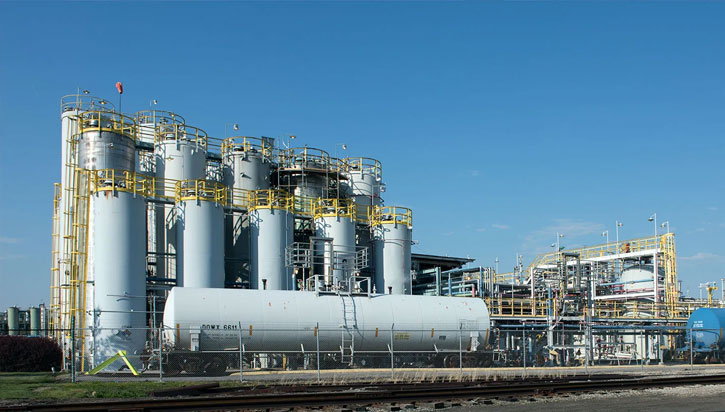
  • Oil and gas pipelines
  • Refinery heat exchangers
  • Chemical reactors
  • Steam lines
  • Pressure vessels
  • Boilers

In all these applications, ASME B16.20 and B16.5 compliance is mandatory.

Quality Control in Gasket Manufacturing

Following ASME standards is not just about dimensions—it also involves strict quality checks such as:

  • Dimensional inspection
  • Material verification
  • Visual checks
  • Packing and marking as per standards

This ensures every gasket performs reliably in real operating conditions.

How to Choose the Right Spiral Wound Gasket

When selecting a gasket, consider:

  • Operating pressure and temperature
  • Media being sealed (steam, gas, chemicals)
  • Flange type and pressure class
  • Compliance with ASME standards

Consulting an experienced Spiral Wound Gasket Manufacturer in India helps ensure the correct selection.

Why ASME Knowledge Matters for Buyers

Understanding ASME B16.20 and B16.5 helps buyers:

  • Avoid wrong gasket selection
  • Reduce downtime
  • Improve plant safety
  • Ensure regulatory compliance

It also helps in communicating technical requirements clearly with manufacturers.

Conclusion

ASME B16.20 and ASME B16.5 standards form the backbone of safe and efficient gasketed flange connections in industrial piping systems. While ASME B16.5 defines how flanges are designed, ASME B16.20 ensures that gaskets fit those flanges perfectly and perform reliably under pressure.

For any Spiral Wound Gasket Manufacturer in India, strict adherence to these standards is essential to meet global industry expectations. Likewise, for end users and buyers, understanding these standards helps in selecting the right gasket, improving safety, and ensuring long-term operational success.

By choosing ASME-compliant spiral wound gaskets, industries can achieve leak-free performance, enhanced safety, and peace of mind.

Frequently Asked Questions (FAQs)

1. What is ASME B16.20 standard?

ASME B16.20 is a standard that defines the dimensions, materials, and design requirements for metallic gaskets, including spiral wound gaskets.

2. What is ASME B16.5 standard?

ASME B16.5 is a standard that specifies the dimensions, pressure ratings, and design of pipe flanges and flanged fittings used in piping systems.

3. Why are ASME B16.20 and B16.5 important in gasket manufacturing?

These standards ensure that gaskets and flanges fit properly, seal effectively, and operate safely under high pressure and temperature conditions.

4. How are ASME B16.20 and B16.5 related?

ASME B16.20 defines gasket dimensions, while ASME B16.5 defines flange dimensions. Both standards work together to ensure proper sealing.

5. What is a spiral wound gasket?

A spiral wound gasket is a semi-metallic gasket made from a metal strip and soft filler material, designed for high-pressure and high-temperature applications.

6. Which industries use ASME standard spiral wound gaskets?

Industries such as oil & gas, petrochemical, power plants, refineries, chemical processing, and pharmaceuticals commonly use ASME-compliant gaskets.

7. What materials are used in ASME B16.20 spiral wound gaskets?

Common materials include stainless steel, carbon steel, graphite, PTFE, and special alloys depending on pressure, temperature, and media.

8. How do pressure classes affect gasket selection?

Pressure classes (150, 300, 600, etc.) defined in ASME B16.5 determine gasket size and thickness as per ASME B16.20.

9. Why should buyers choose an ASME-compliant Spiral Wound Gasket Manufacturer in India?

ASME-compliant manufacturers ensure safety, global acceptance, proper fitment, and reliable performance in industrial applications.

10. How can ASME standards help prevent leakage?

ASME standards ensure correct gasket dimensions, material selection, and flange compatibility, which together reduce the risk of leakage and failure.

Previous
Next
Latest Posts
Archives